Short answer
Choose paper by product, handling, folding, opacity, writing needs and desired feel. GSM measures mass per square metre; it does not fully describe stiffness, thickness, coating or quality.
What GSM tells you
GSM helps compare paper weight, but composition and coating change how a sheet behaves. Samples are more reliable than choosing from a number alone.
Flyers
A flyer distributed in volume may prioritise efficient handling, while a handout intended to be retained may benefit from a more substantial feel. Consider whether it must fold, fit an insert or accept handwriting.
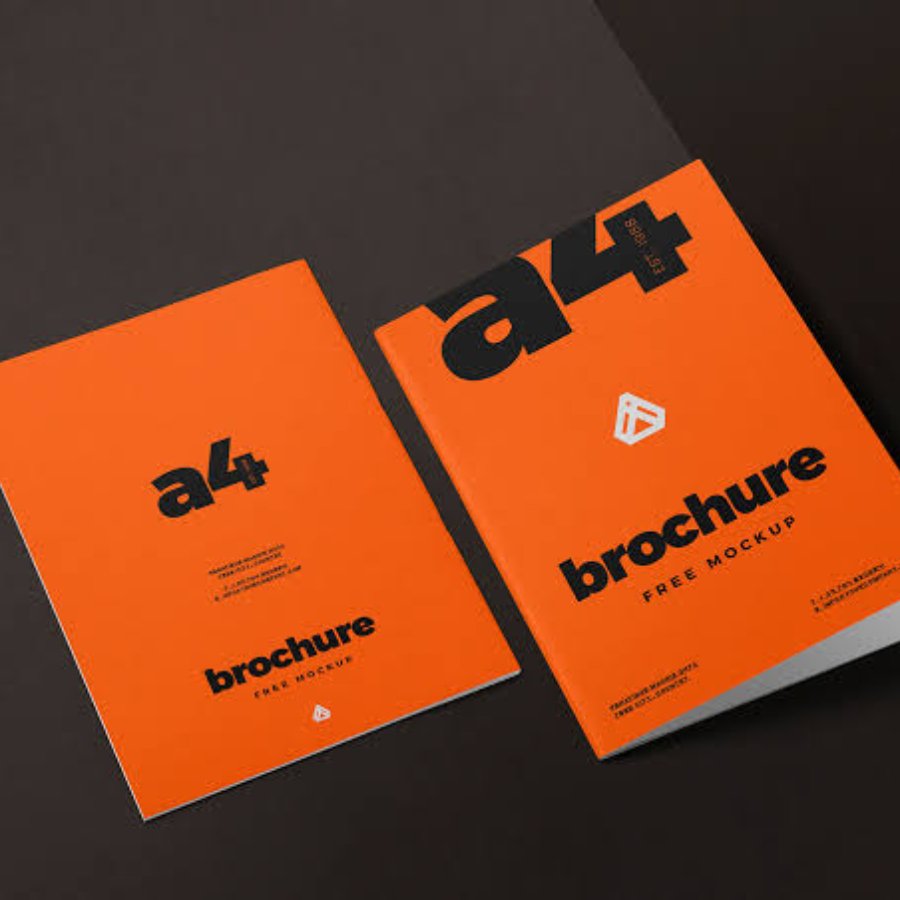
Brochures
Folding and page count matter. A heavier sheet may feel substantial but resist tight folds or add bulk. Multi-page brochures must balance cover and inner pages.
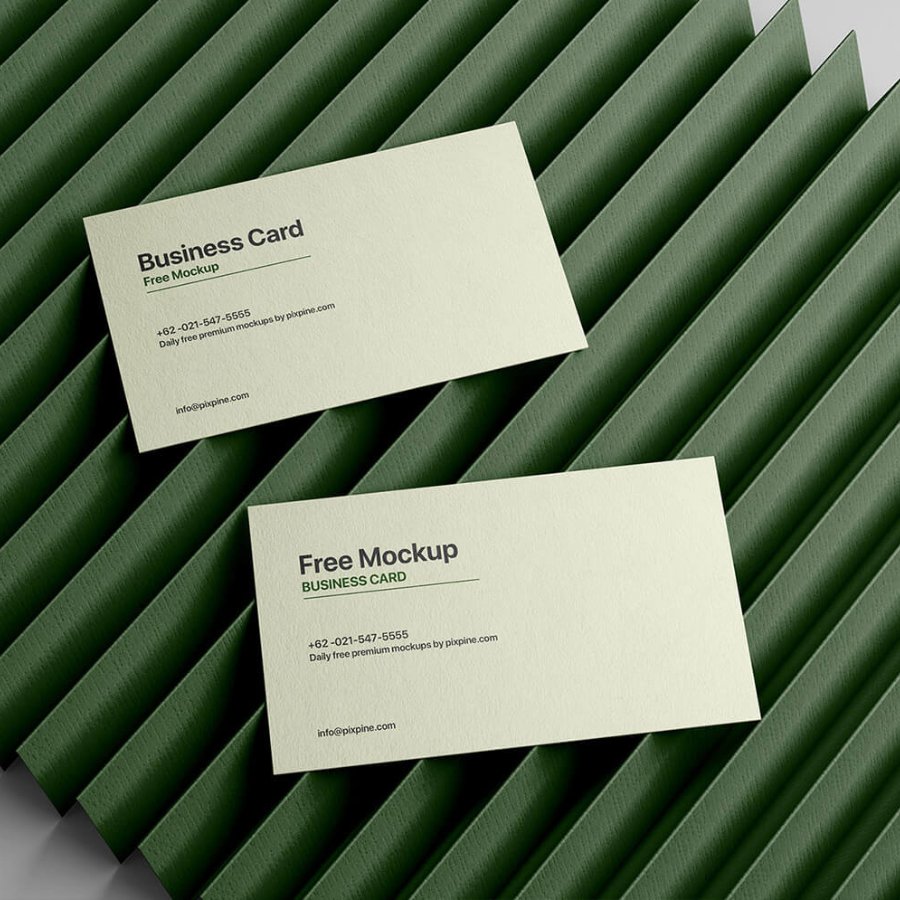
Business cards
Cards need sufficient structure for repeated handling, but construction and finish matter as much as GSM. Textured, coated or laminated surfaces change feel and writing suitability.
Decision checklist
- How long should the item last?
- Will it be folded?
- Is show-through a concern?
- Must people write on it?
- Will it be mailed or inserted?
- Does the finish change the feel?
- Is the stock available for the quantity?
- Can a physical sample be reviewed?
Common mistakes
- Treating higher GSM as automatically better
- Ignoring fold performance
- Comparing coated and uncoated stocks only by weight
- Forgetting mailing or display constraints
- Naming unavailable stocks in artwork or promotions
FAQs
Does heavier paper print better? Not automatically; print quality depends on the complete process and material.
Is GSM the same as thickness? No. Related, but not interchangeable.
Should cover and inner pages match? Not necessarily; the structure and use determine the combination.
Compare stock options
Browse flyers, brochures, business cards and the wider stationery printing range, or ask us for a physical sample before you decide.