Short answer
Choose a business card by considering how it fits a wallet, how the paper feels, whether people need to write on it and whether the finish supports the brand. Do not select a finish from appearance alone; durability, legibility and practicality matter.
Size and orientation
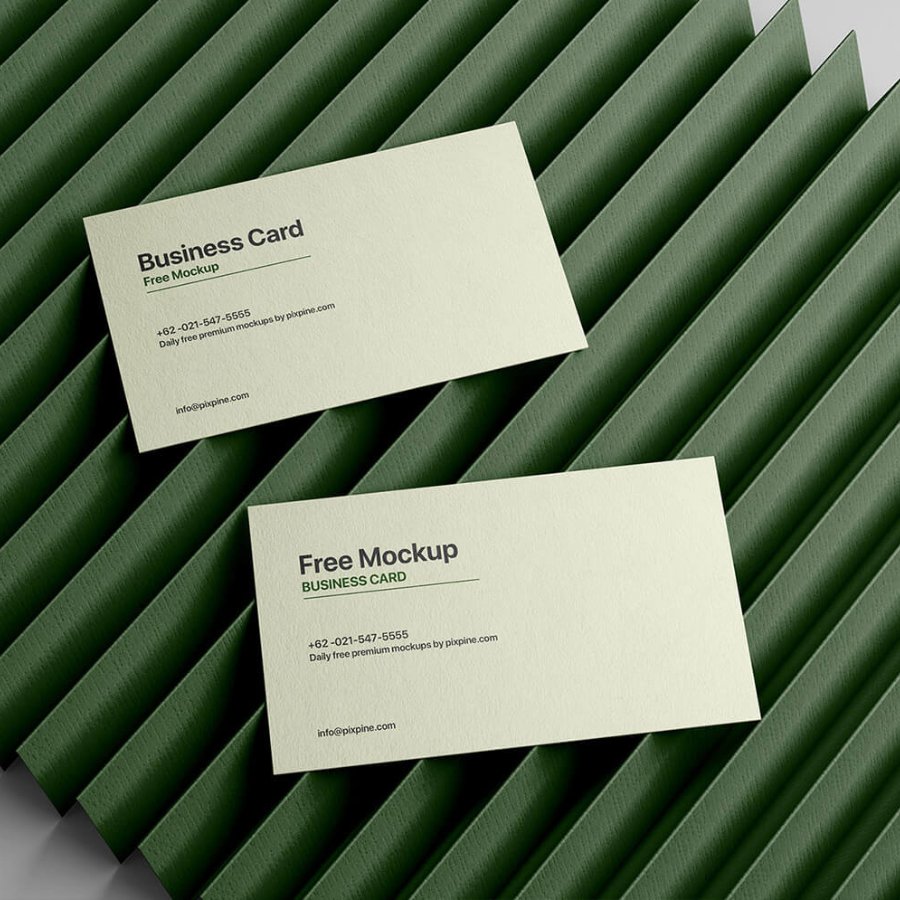
Common business-card dimensions vary by market and supplier. Before designing, use the exact Print Qatar template for the selected product. Horizontal cards provide familiar reading space; vertical cards can create a different visual rhythm but still need clear contact information.
Square, folded or unusually shaped cards can be memorable, but may cost more, require special finishing or fit poorly in standard holders. Confirm availability before building the artwork.
Understanding paper
Paper weight is commonly expressed in GSM, but GSM alone does not describe stiffness, surface or perceived quality. Two stocks with similar weight can feel different because of fibre, coating and construction.
Uncoated stock can offer a natural feel and may be easier to write on. Coated stock can support a smoother printed appearance. Textured materials add tactile character but can affect fine detail. These are general comparisons — check the current stock options on the business cards product page, or ask us, before finalising your choice.
Finishing options
Lamination and coatings
Finishing can change surface feel, resistance to handling and colour appearance. A glossy surface reflects more light; a matte surface reduces reflection. Writing suitability varies.
Rounded corners and shaped cutting
Corner treatment changes the physical feel and requires artwork to respect safe areas. Fine borders can look uneven if they sit too close to the edge.
Premium effects
Foil, raised effects, selective gloss and other specialist treatments require suitable artwork and production availability. Do not assume every colour, stock or quantity supports every effect.
Information hierarchy
Prioritise the person’s name, role, company, telephone, email and website. A QR code should lead to a useful, maintained destination and must remain large and clear enough to scan.
Common mistakes
- Designing before confirming size
- Using tiny text
- Putting information too close to the edge
- Choosing a surface that is hard to write on
- Adding every social profile
- Using an untested QR code
- Expecting a screen to prove final colour
FAQs
What is the best business-card paper? The best option depends on brand, handling, writing needs and budget.
Should both sides be printed? Use the second side only when it improves the communication.
Can Arabic and English appear together? Yes, if the layout accounts for reading direction, font support and balanced spacing.
Configure your business card
Visit our business cards product page to see the current stock, size and finish options, or contact us if you would like a physical sample.